Summary
All fences in Sawgrass Subdivision must be kept in good repair and maintained to a consistent community standard. The Architectural Committee inspects fences and issues violation notices when fences fall into disrepair.
Five categories define a fence in disrepair: missing or damaged panels, overgrown vegetation, fading or peeling paint/stain, visible discoloration or stains, and leaning or uneven sections. Addressing these issues promptly avoids formal violations and fines.
Plain Language Guide
1. Your Fence is Part of the Neighborhood
Fences are visible from common areas, pathways, and neighboring properties. Maintaining your fence protects your property value and your neighbors’ enjoyment of the community.
Tip: Walk the perimeter of your fence once a season and look for any of the five issues listed below.
2. Five Things That Trigger a Violation
Missing panels, overgrown plants growing through the fence, peeling paint or stain, algae or mildew stains, and sections that are leaning or uneven are all considered disrepair under HOA standards.
Tip: Each category is illustrated with photos below. If your fence matches any of those photos, it’s time to take action.
3. Fix It Before You’re Asked To
The committee conducts inspections. If your fence is flagged, you’ll receive a formal notice and a deadline to correct the issue. Fines escalate if the issue isn’t resolved. It’s always cheaper and easier to maintain proactively.
Example: A can of fence stain costs $30. A violation fine starts at $200 per month.
4. Questions or Modifications?
If you need to repair, replace, or modify your fence, submit an Architectural Request first. All fence work requires SSAC approval before starting.
Contact: architecture@sawgrasshoa.com or submit a request online.
Fence Maintenance Expectations
Standards for fence upkeep in Sawgrass Subdivision — September 2024

Expectations of Fence Maintenance and Definition of a Fence in Disrepair
Issued September 2024 — Sawgrass Subdivision Architectural Committee
All fences within Sawgrass Subdivision must be maintained to the standards outlined below. The following five categories define what constitutes a fence in disrepair. Photo examples are provided for each category.
Overgrown Vegetation
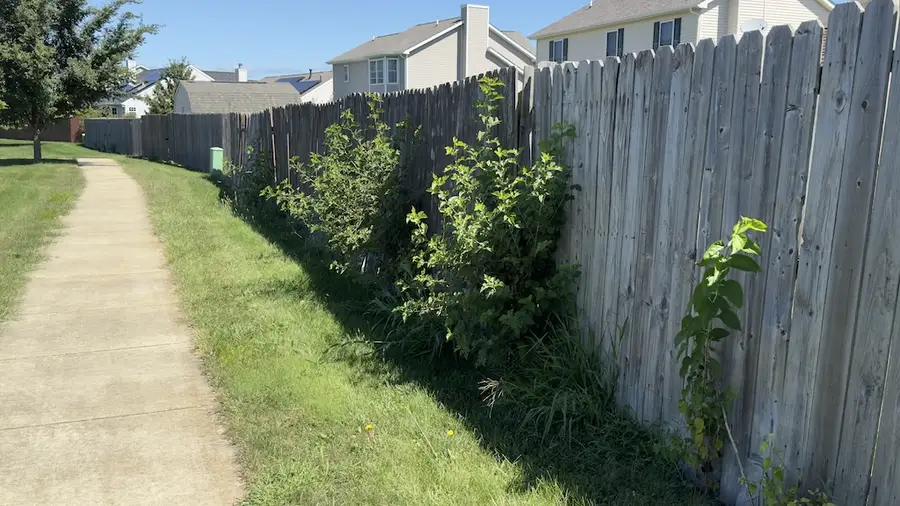
✓ Expectation: Trim and remove vegetation visibly growing over and through fence panels.
✗ Disrepair: Any visible vegetation growing over or through fence panels or pickets.
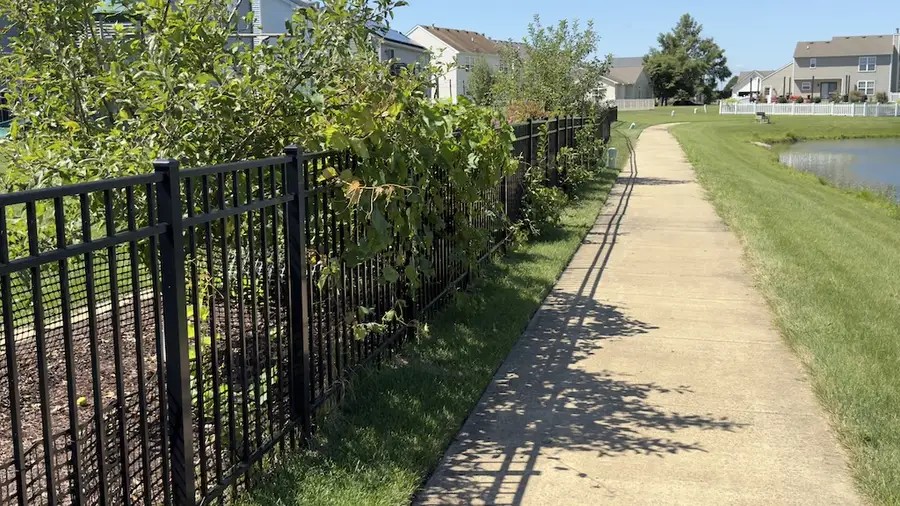
✓ Expectation: Maintain a clear fence line with no vegetation growing through the structure.
✗ Disrepair: Plants and shrubs visibly growing through or over fence panels.
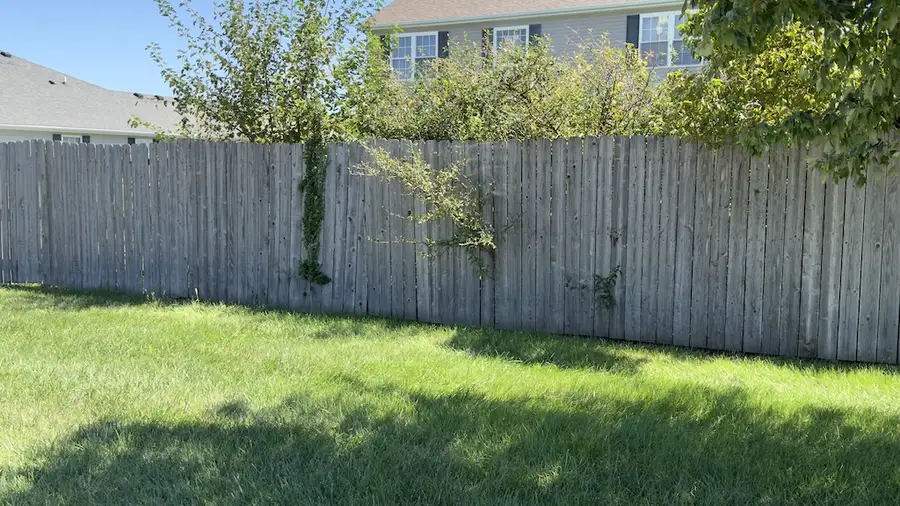
✓ Expectation: Keep vegetation trimmed back from fence panels on both sides.
✗ Disrepair: Vegetation visibly intertwined with or growing through fence boards.
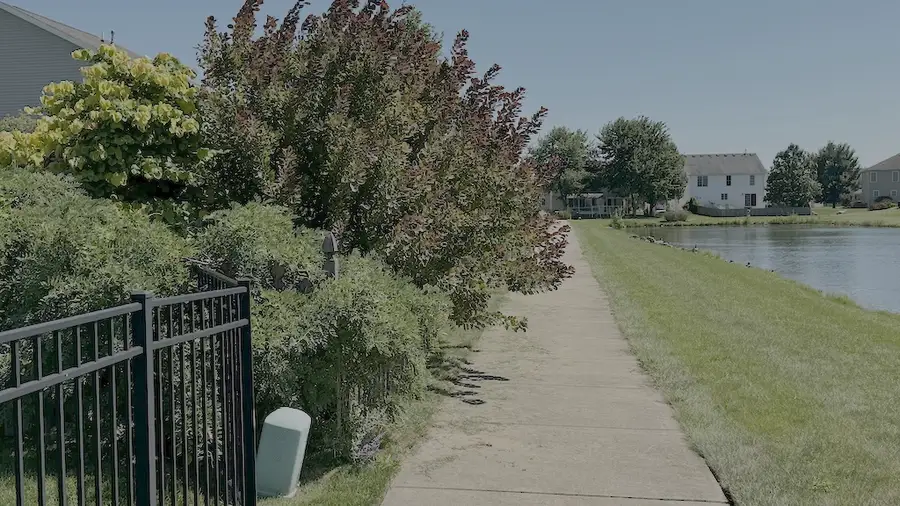
✓ Expectation: Trim trees and shrubs so they do not overhang or contact the fence structure.
✗ Disrepair: Tree branches or shrubs growing over and contacting fence panels.
Leaning or Uneven Sections & Missing or Damaged Panels
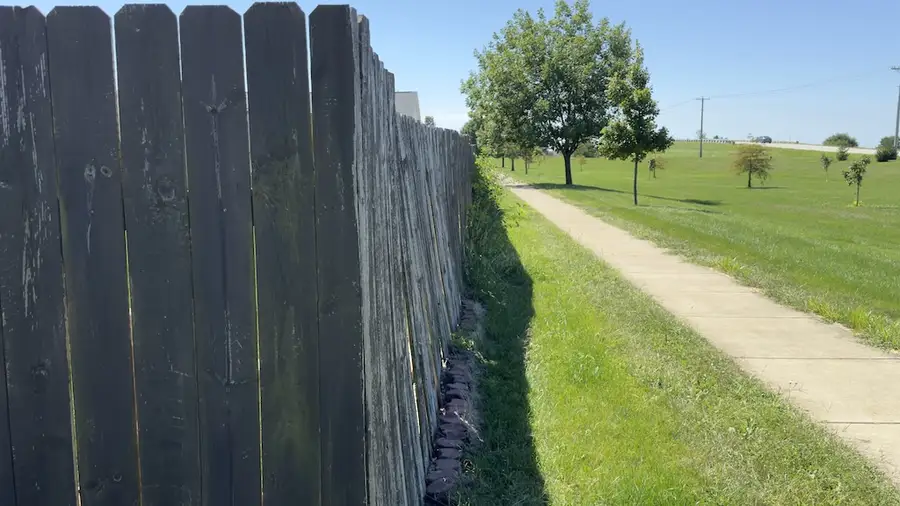
Leaning or Uneven Sections
✓ Expectation: Ensure a straight and uniform fence line.
✗ Disrepair: Fence sections that are noticeably leaning, tilting, or uneven.
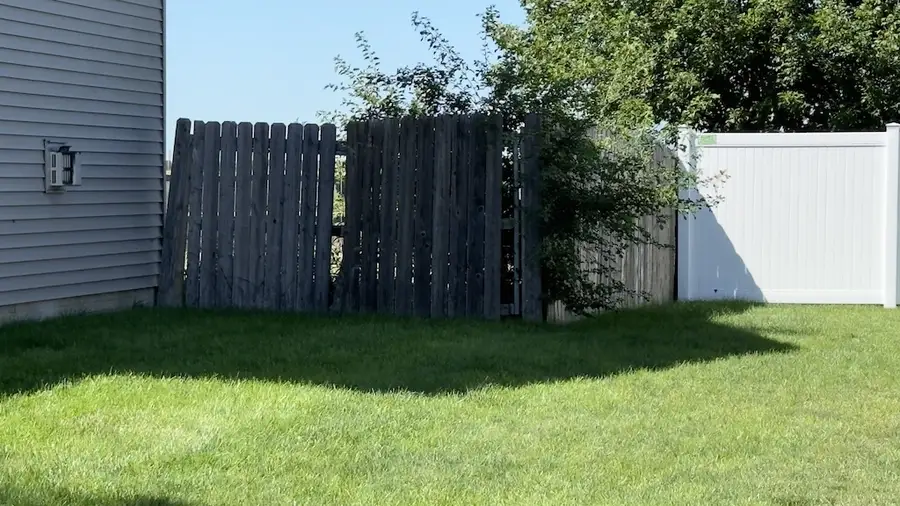
Missing or Damaged Panels/Pickets
✓ Expectation: Ensure a complete and well-maintained appearance.
✗ Disrepair: Any missing or visibly damaged fence panels, pickets, or boards.
Visible Discoloration, Stains & Fading or Peeling Paint
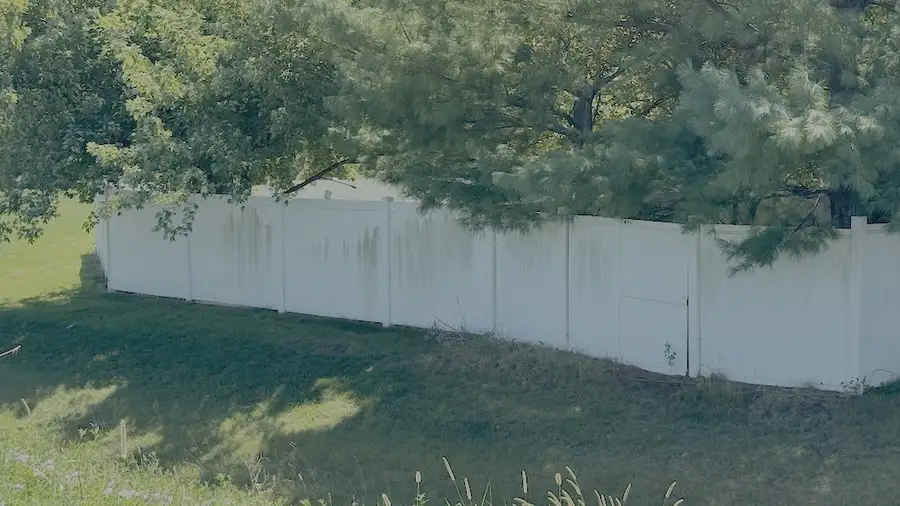
Visible Discoloration or Stains
✓ Expectation: Maintain a clean and stain-free fence.
✗ Disrepair: Stains, discoloration, or unsightly marks such as algae or mildew.
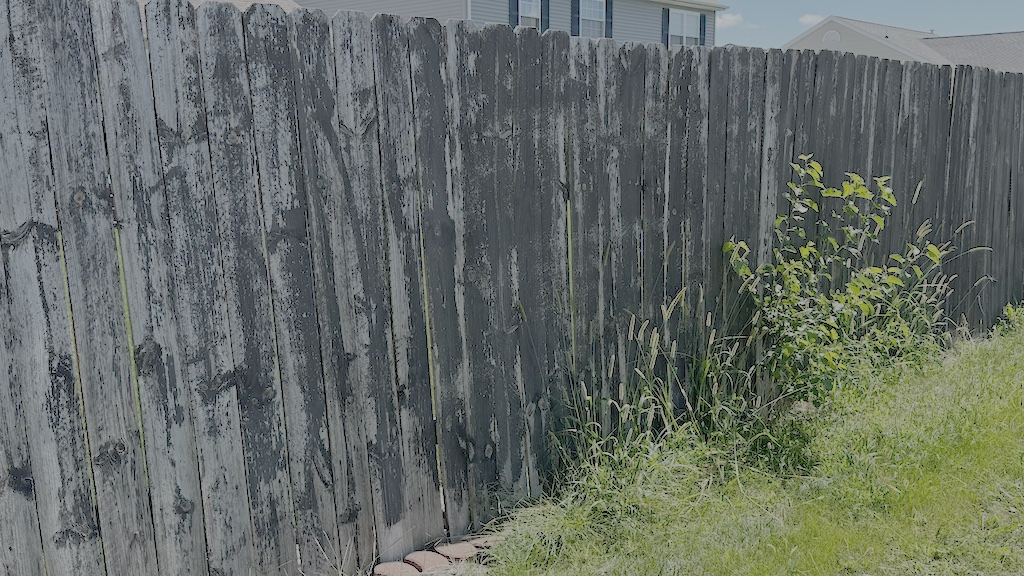
Fading or Peeling Paint/Stain
✓ Expectation: Maintain a well-preserved finish.
✗ Disrepair: Fences with noticeable fading, peeling, or chipping paint or stain.
Need to Repair or Replace Your Fence?
All fence repairs, replacements, or modifications require SSAC approval before work begins. Submit an Architectural Request and allow 24–48 hours for review.
Submit an Architectural Request
Questions? Contact architecture@sawgrasshoa.com